
Quick Answer: Abhyanga massage Nepal offers travelers a full body warm oil treatment that eases flight stiffness, altitude dryness, and jet lag. A small clinical study found measurable drops in stress, heart rate, and blood pressure after just one session.
Every traveler carries the same complaints after a long trip. Stiff hips from hours in an economy seat. Skin that feels papery from dry cabin air and higher altitude. A sleep schedule that hasn’t caught up with local time yet.
Abhyanga massage Nepal centres have practiced for centuries was designed for exactly this kind of full body depletion. Long before anyone called it travel fatigue, Ayurveda had already built a treatment around the specific toll that movement, altitude, and disrupted routine take on the body.
What Abhyanga Massage Nepal Practitioners Actually Do
Abhyanga uses warm, herb infused oil applied across the entire body. Strokes run long along the limbs and circular around the joints. A trained therapist works through a fixed traditional sequence. Ayurveda considers this sequence essential to how the oil affects circulation and the lymphatic system.
Sessions typically run 45 to 60 minutes. Oil selection depends on your dosha. Warming oils suit Vata and Kapha constitutions. Cooling oils suit Pitta. This choice matters more for travelers than it might first seem, since altitude and climate shift which dosha needs support most.
Panchakarma’s therapeutic approach to disease explains how Abhyanga often works as preparation before deeper treatment, not just a standalone session.
The Research Behind Abhyanga
A small clinical study of 20 healthy adults found real results. A single one hour session lowered subjective stress levels. Heart rate dropped too. Blood pressure fell among participants who started with elevated readings.
The National Ayurvedic Medical Association points to Abhyanga’s specific sequencing as the reason behind its circulation benefits. Massaging the body in a set pattern supports blood flow and lymphatic drainage more effectively than general rubbing does. That circulation boost happens to address nearly every physical symptom of long haul travel at once.
Why Travelers Specifically Benefit
A few travel specific problems line up closely with what Abhyanga addresses.
- Long flights compress joints and restrict circulation for hours, leaving hips, knees, and lower backs stiff on arrival
- Cabin air and higher altitude both pull moisture from skin faster than usual, something warm oil directly counters
- Jet lag disrupts the nervous system’s normal rhythm, and Abhyanga’s effect on the parasympathetic nervous system helps reset that rhythm faster
- Trekking, common among visitors combining a retreat with time in the Himalayas, leaves legs and shoulders carrying real muscular fatigue
None of these benefits require a dramatic intervention. They respond well to consistent, properly sequenced oil massage. Ayurvedic massage covers the full range of massage therapies available beyond Abhyanga specifically.
Abhyanga for Post-Trek Recovery
Guests arriving after routes like Everest Base Camp or the Annapurna Circuit carry a specific kind of fatigue. Joint strain from descent. Tight calves and quads. General depletion from days of exertion at altitude.
Abhyanga addresses this directly. Warm oil penetrating tired muscle tissue speeds recovery faster than passive rest alone. Many guests build in a day or two of buffer after finishing a trek specifically to receive Abhyanga before starting more intensive Panchakarma work.
What a Session Actually Feels Like
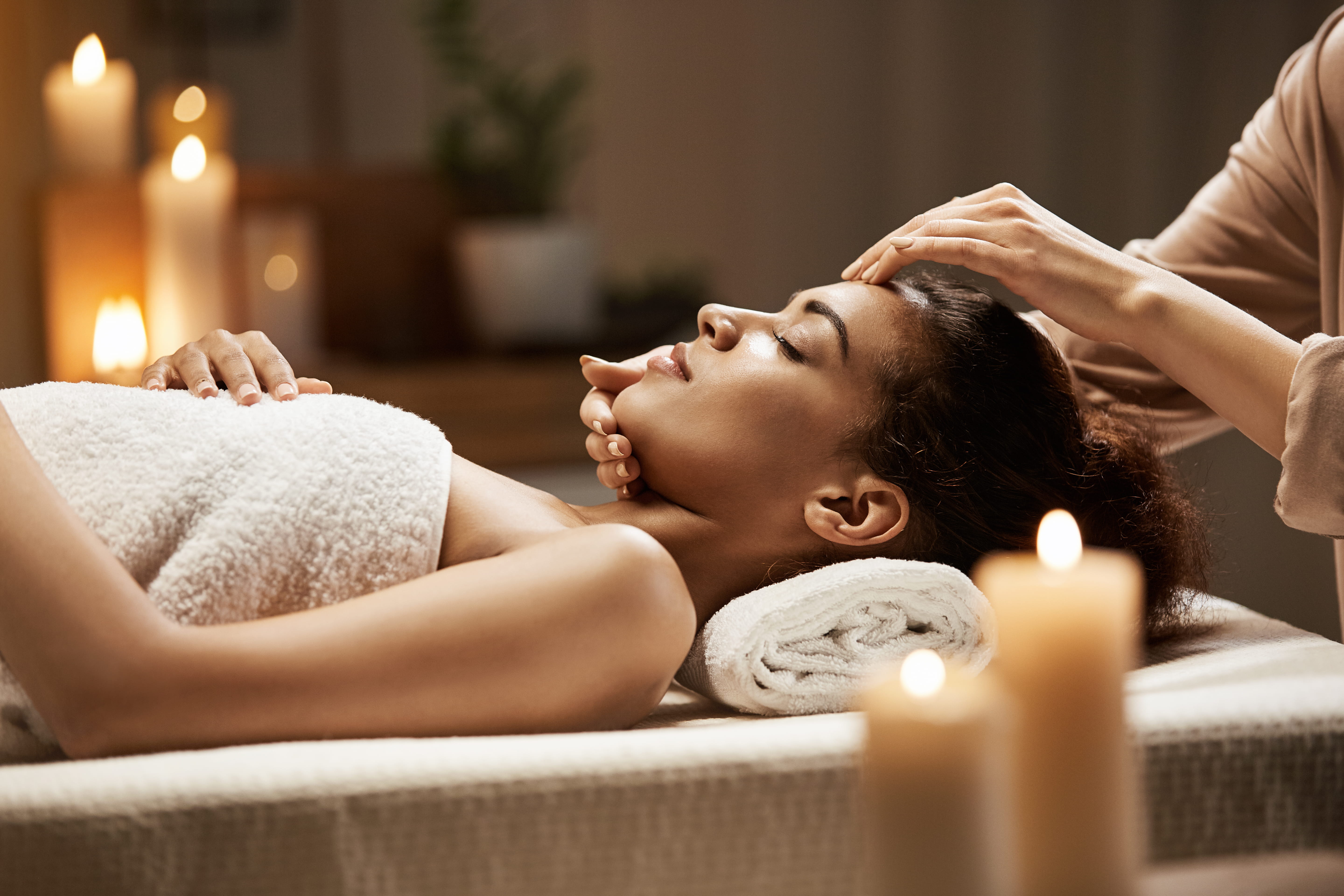
You’ll lie on a treatment table while warmed oil gets applied across your whole body in the specific Ayurvedic sequence. Strokes alternate between long movements along limbs and circular motion around joints. This differs from the more generalized pressure used in a typical spa massage.
A short rest period usually follows. This lets the oil continue absorbing before you shower. Many people describe feeling noticeably looser and calmer within minutes, not just relaxed in a vague sense.
What the Evidence Doesn’t Yet Show
Research on Abhyanga specifically is still developing. Much of what gets cited comes from small studies, or from broader massage therapy research applied to Abhyanga by extension. Claims about boosted immunity or delayed aging circulate widely but lack strong scientific backing so far.
What the evidence does support consistently: stress reduction, short term blood pressure improvement in people starting with elevated readings, and general circulation benefits shared with massage therapy more broadly. That’s a solid basis for recommending it, without overselling claims the research doesn’t back yet.
Abhyanga vs a Regular Spa Massage
| Feature | Abhyanga | Typical Spa Massage |
| Oil use | Warm, herb infused, dosha specific | Often unscented or generic |
| Technique | Fixed traditional sequence | Varies by therapist preference |
| Goal | Circulation, detox, nervous system reset | Primarily relaxation |
| Duration | 45 to 60 minutes, full body | Varies, often partial body |
Getting Abhyanga at Nepal Ayurveda Home
Abhyanga sessions here run both as standalone treatments and as part of longer Panchakarma programmes. Ayurvedic massage outlines what’s included alongside other traditional treatments available on site.
For guests combining a retreat with trekking, timing a session shortly after finishing a trek tends to produce the best recovery results. Current dates and consultation details sit on the booking page.
Frequently Asked Questions
Is Abhyanga Massage Good for Jet Lag?
Yes. Many travelers find it helps. It works on the parasympathetic nervous system. That can support a faster return to normal sleep patterns. It works best alongside good sleep hygiene though, not as a standalone fix for severe jet lag.
How Is Abhyanga Different From a Regular Massage?
Abhyanga uses warm oil chosen for your dosha. It follows a fixed traditional sequence across the whole body. A typical spa massage varies by therapist. It usually focuses on relaxation alone.
Should I Get Abhyanga Before or After Trekking?
After trekking works better for most guests. The massage directly addresses muscle fatigue and joint strain from the trek itself. A short buffer of a day or two is often recommended before starting more intensive treatment.
How Often Should Travelers Get Abhyanga During Their Stay?
A single session offers noticeable relief. Guests on longer retreats often receive it multiple times as part of a broader Panchakarma sequence. Repeated sessions tend to produce more lasting results than one isolated treatment.
Does Abhyanga Help With Altitude Related Dry Skin?
Yes. Warm oil directly counters the moisture loss that higher altitude and dry mountain air both cause. This is part of why it’s commonly recommended for guests spending time in Nepal’s higher elevation regions.