
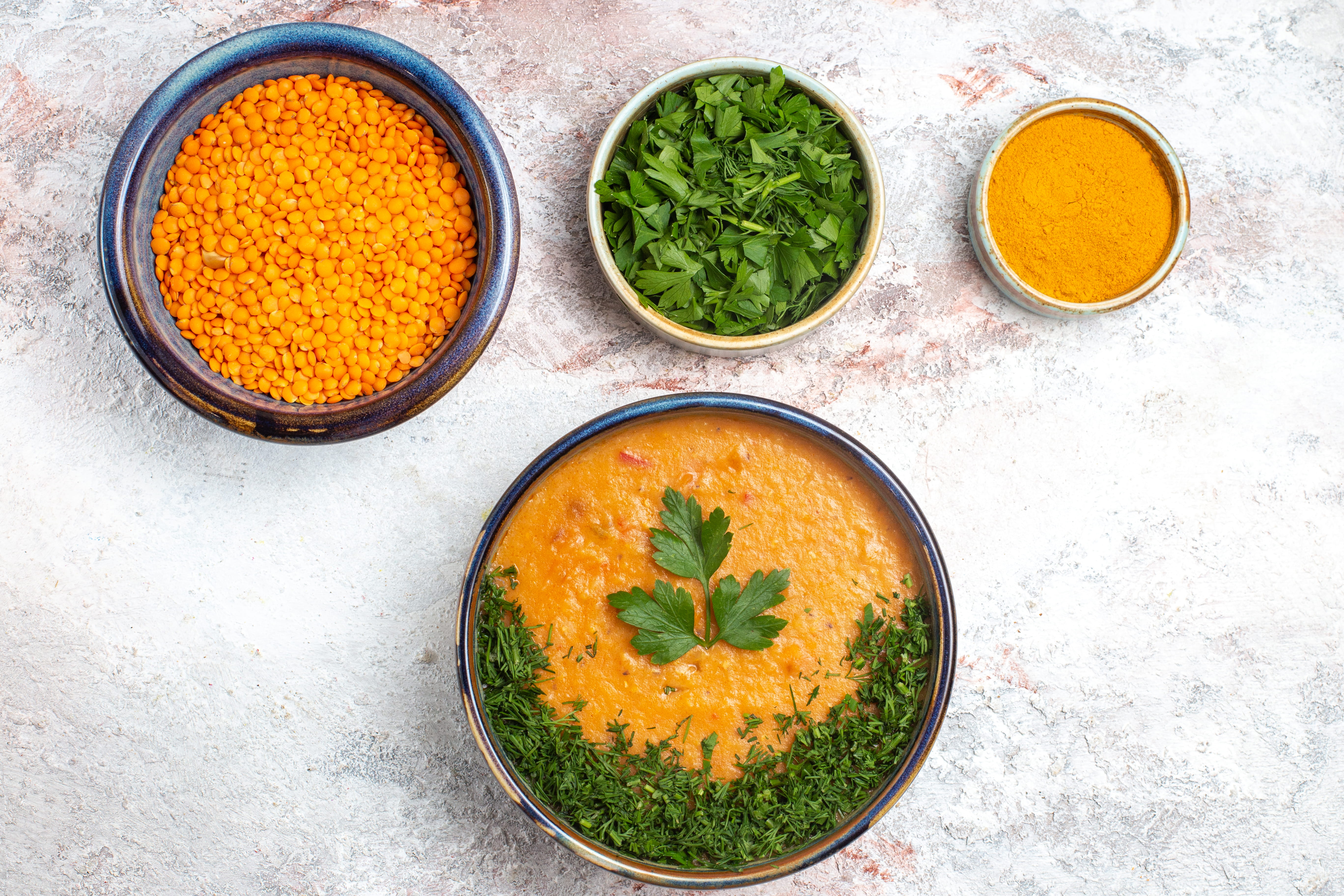
A kitchari cleanse means eating kitchari, a soft stew of rice and split mung dal, for every meal over three days. Ayurveda treats it as the gentlest way to rest your digestion without fasting.
This guide gives you the recipe, a day-by-day plan, and the safety limits. It also says plainly what research shows, because no study proves that a cleanse removes toxins.
What Is a Kitchari Cleanse in Ayurveda?
Kitchari (also spelled khichdi) is basmati rice and split yellow mung dal cooked with ghee and mild spices.
On a cleanse, it replaces every other meal, and you drink only warm water and herbal tea between bowls.
Ayurveda calls kitchari tridoshic, meaning it suits Vata, Pitta, and Kapha. No trial has tested that claim, but the food is soft, warm, and easy to digest.
Panchakarma clinics often serve it during preparation and recovery, and Panchakarma vs yoga detox retreat explains how a supervised program differs from a home cleanse.
Why Kitchari Is the Classic Ayurvedic Detox Diet
Ayurveda blames weak digestion for Ama, a sticky residue it links to heaviness and fatigue.
Kitchari gives Agni, the digestive fire, an easy job. Ayurveda to balance digestive fire explains the idea in more depth.
Each part of the pot has a role:
- Rice makes a soft, filling base.
- Mung dal adds protein and fiber, and it is the gentlest legume to digest.
- Ghee carries the spices and coats the gut. The goodness of ghee in Ayurveda covers why Ayurveda favors it.
- Ginger, cumin, and asafoetida (hing) kindle digestion and ease gas.
Rice and dal also complete each other nutritionally. ICMR-NIN's 2024 Dietary Guidelines for Indians say combining cereals with pulses in a 3:1 ratio improves the protein quality of a meal.
The cleanse recipe uses equal parts, which raises the dal share and the fiber.
Does a Kitchari Cleanse Really Detox Your Body?
No study shows that a kitchari cleanse removes toxins. Cleveland Clinic says there is no mountain of research behind detox claims, and MD Anderson's experts say the liver, kidneys, lungs, and skin already clear waste.
A kitchari cleanse can still help in modest ways:
- It swaps processed food and alcohol for simple, cooked food.
- It sets regular meal times.
- It may show whether a food you cut out was upsetting you, which Cleveland Clinic lists as a possible benefit.
It also has limits:
- It cannot remove toxins faster than your organs do.
- Weight lost in short detoxes is usually fluid and lean muscle, according to MD Anderson, and it returns when normal eating resumes.
- Cleveland Clinic warns that cleanses can drain energy, upset digestion, and cause nutrient gaps.
Kitchari is gentler than a juice fast because it supplies protein and fiber. One dish still cannot cover every nutrient for long, so keep the cleanse to three days.
Kitchari Recipe for a 3-Day Cleanse
This recipe makes about six cups, enough for three or four bowls.
Cook a fresh pot each day, since cooked rice spoils quickly. Prep takes 10 minutes plus soaking, and cooking takes 35 to 40 minutes.
Ingredients
- 1/2 cup white basmati rice
- 1/2 cup split yellow mung dal (moong dal)
- 1 tablespoon ghee, or coconut oil for a dairy-free pot
- 1 teaspoon cumin seeds
- 1/2 teaspoon mustard seeds (optional)
- 1 tablespoon fresh ginger, grated
- 1/2 teaspoon turmeric powder
- 1 teaspoon coriander powder
- 1 pinch asafoetida (hing)
- 1/2 teaspoon rock salt, or to taste
- 5 cups water, plus up to 1 cup extra
- 1 cup chopped soft vegetables such as bottle gourd, carrot, or spinach (optional)
- Fresh coriander leaves and a squeeze of lime to serve
Method
- Rinse the rice and dal together in cold water three or four times, until the water runs mostly clear.
- Soak them in clean water for 30 minutes to 2 hours, then drain. Soaking shortens cooking and eases digestion.
- Heat the ghee in a heavy pot over medium heat.
- Add the cumin and mustard seeds. Wait about 30 seconds for them to sizzle and pop.
- Stir in the ginger and hing for 20 seconds.
- Add the turmeric and coriander powder, and stir for 10 seconds so they do not burn.
- Add the drained rice and dal. Stir for one minute to coat them.
- Pour in 5 cups of water, add the salt, and bring to a boil.
- Lower the heat, partly cover the pot, and simmer for 30 to 40 minutes, stirring now and then. Add vegetables for the last 15 minutes.
- Check the texture. It should be soft and soupy like porridge, so add up to 1 cup of hot water if it is too thick.
- Serve warm with coriander leaves and lime.
Three tips help:
- In a pressure cooker, cook for 3 to 4 whistles on medium heat, then let the pressure release naturally.
- Refrigerate leftovers within an hour or two and reheat them until steaming hot.
- If legumes give you gas, soak longer and keep the hing. Balancing the winds covers gas in more detail.
Your 3-Day Kitchari Cleanse Plan Day by Day
This structure is a practical plan. Classical texts do not fix one schedule for a home cleanse.
| Day | Focus | What to Eat and Drink |
| Day 1 | Ease in | Kitchari at breakfast, lunch, and dinner, with a small serving of steamed vegetables at lunch. Skip coffee and alcohol. |
| Day 2 | Strictest day | Kitchari only, plus warm water and herbal tea. Rest and walk gently. |
| Day 3 | Ease out | Kitchari at breakfast and lunch, and kitchari with soft cooked vegetables at dinner. Plan your Day 4 meals. |
Keep this daily rhythm:
- On waking, drink a cup of warm water.
- Eat breakfast around 8 am, a small bowl.
- Eat the largest bowl between noon and 1 pm.
- Eat dinner before 7 pm, a lighter bowl.
- Skip snacks, and sip warm water or tea between meals.
- Sit down to eat, chew slowly, and keep screens away. Eight right ways to eat explains the Ayurvedic rules.
- Go to bed by 10 pm.
Spices, Teas, and Water During the Cleanse
Warm drinks keep hunger steady and digestion moving:
- Make a tea from cumin, coriander, and fennel seeds, simmered in water for 10 minutes.
- Steep fresh ginger slices in hot water.
- Sip warm water through the day. How to stay hydrated covers how much you need.
- Skip coffee, alcohol, and cold drinks.
Do not chug water. Cleveland Clinic warns that drinking too much can flush out electrolytes, and clear urine all day means you are overdoing it. Ayurvedic teas for a vibrant lifestyle lists more options, and five Ayurvedic herbs in the kitchen explains the spices.
What Results to Expect From a Kitchari Cleanse
Expect a gentle three days, not a transformation:
- Day 1 often brings hunger and cravings, and a headache if you cut coffee suddenly.
- Day 2 usually feels steadier, since regular meals and fiber settle digestion.
- By Day 3 many people feel lighter and sleep a little better, mostly from simple food and early nights.
- Any weight change is small and mostly water.
Stop the cleanse and eat a regular meal if you feel dizzy, shaky, faint, or very weak, or if you get a severe headache. See a doctor if the symptoms continue.
How to Break a Kitchari Cleanse the Right Way
How to break a kitchari cleanse matters as much as the three days themselves. Go back to normal food in steps:
- Day 4 breakfast: stewed apple or pear with a pinch of cardamom, or a small bowl of rice porridge.
- Day 4 lunch: kitchari with cooked vegetables and a spoon of ghee.
- Day 4 dinner: a light vegetable soup with a little rice.
- Day 5: add dal, rice or roti, and cooked vegetables.
- For a few more days, avoid alcohol, cold drinks, and fried or heavy food.
What to eat after Panchakarma gives a longer post-detox meal guide, and organic and healthy breakfast ideas in Ayurveda has gentle morning options.
Who Should Skip a Kitchari Cleanse?
Skip it, or ask your doctor first, in these cases:
- Pregnancy or breastfeeding
- Anyone under 18
- A history of an eating disorder
- Being underweight
- Diabetes, kidney disease, or heart disease
- Regular medicine that must be taken with food or on a strict schedule
- Recent surgery or a long illness
Learn Ayurvedic Cooking and Cleansing Meals at the Ayurvedic Cooking Course in Nepal
A kitchari cleanse works best when you cook it well and adjust it to your dosha, and a hands-on class teaches that faster than a recipe card.
The 2 Weeks Ayurvedic Cooking course is the place to learn Ayurvedic meals in Nepal, so ask the team which dishes, such as kitchari, the course covers.
If you want a supervised cleanse instead of a home plan, the 10 Days Ayurvedic Detox puts a physician in charge.
Frequently Asked Questions
What is a kitchari cleanse?
A kitchari cleanse is a three-day diet where every meal is kitchari, a soft stew of rice and split mung dal with ghee and spices. Ayurveda uses it to rest digestion, though no study shows it removes toxins.
How long should a kitchari cleanse last?
Three days is the standard length for beginners, and anything longer than a week needs a doctor's supervision. Kitchari supplies protein and fiber, but one dish cannot cover every nutrient for long.
Can you lose weight with a kitchari cleanse?
You may lose a little, but most of it is water and muscle instead of fat. MD Anderson says weight lost on short detoxes usually returns when normal eating resumes.
Is a kitchari cleanse safe?
A three-day kitchari cleanse carries fewer risks than a juice fast because it supplies protein and fiber. Some people should skip it, including anyone who is pregnant, breastfeeding, under 18, or living with diabetes or kidney disease, unless a doctor agrees.
What can you drink during a kitchari cleanse?
Warm water, ginger tea, and a cumin, coriander, and fennel tea are the usual choices, while coffee, alcohol, and cold drinks stay out. Sip steadily, since too much water can flush out electrolytes.