
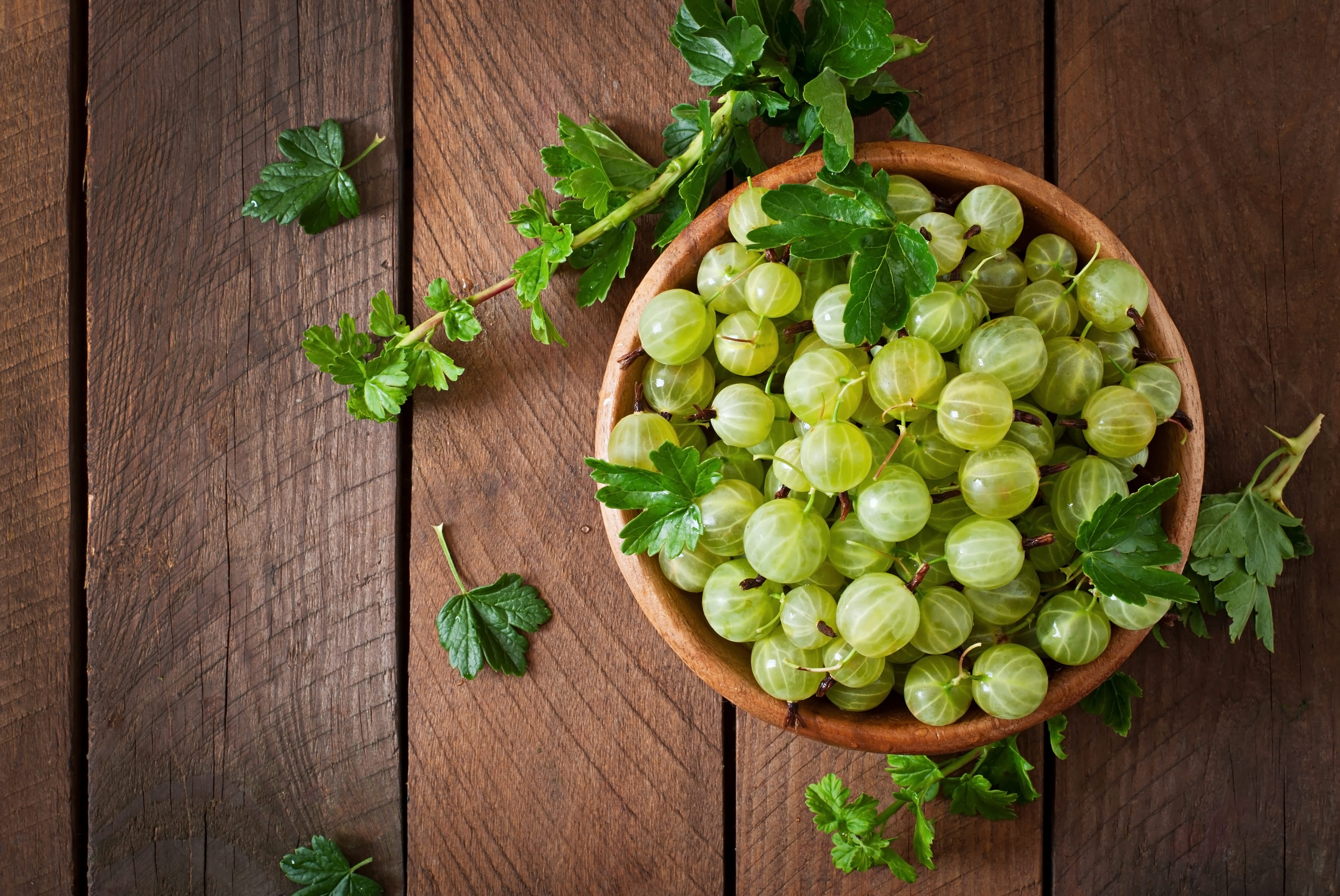
Amla benefits are easy to find online and harder to check. Ayurveda ranks the fruit among its top rejuvenating foods, and kitchens across Nepal and India already use it in pickles, chutneys, and sweets. Modern trials, though small, have started to test it.
This guide covers what amla is, what Ayurveda and research say, easy ways to eat it every day, three quick recipes, and who should be careful.
Amalaki in Ayurveda and Why It Is Called Dhatri
Amalaki in Ayurveda is the fruit of Phyllanthus emblica, also called Emblica officinalis or Indian gooseberry. Ayurveda gives it the name Dhatri, meaning nurse or mother, because texts say it nourishes the body like a caring mother. The tree is native to India, Nepal, and Sri Lanka, and the fruit is rich in vitamin C: studies report 470 to 680 mg per 100 g of fresh fruit.
Classical texts describe it this way:
- Taste: all tastes except salty, with sour dominant
- Potency: cooling, which is unusual for a sour fruit
- Doshas: it balances all three, and Pitta most of all
- Role: Charaka names it among the best age-supporting Rasayana herbs
It is also the lead ingredient in Chyawanprash and one of the three fruits in Triphala. Triphala benefits covers that formula, and Rasayana therapy of Ayurveda explains the rejuvenation idea.
Amla Benefits in Ayurveda
Texts credit Amalaki with these uses:
- Digestion: a mild, cooling support for the gut, used for acidity and burning. Ayurveda for gastritis treatment covers a related condition.
- Hair and scalp: Keshya, meaning good for hair. Ayurveda for hair loss and hair fall explains the scalp link.
- Eyes: Chakshushya, meaning good for vision. Ayurveda for healthy eyes covers daily eye care.
- Skin and complexion: a classic herb for glow and healing.
- Blood sugar: texts pair it with turmeric for Prameha, a group of metabolic disorders. Ayurveda on diabetes gives the traditional view.
- Longevity: as a Rasayana, it supports strength and aging well. Ayurveda for anti-aging covers that angle.
What Research Says About Amla Benefits
The best evidence is for cholesterol, blood sugar, and inflammation, and it is early. A 2023 meta-analysis in BMC Complementary Medicine and Therapies pooled randomized trials of amla fruit and heart-risk factors. Compared with placebo:
- LDL cholesterol fell by 15.08 mg/dL on average
- Triglycerides fell by 22.35 mg/dL
- VLDL cholesterol fell by 5.43 mg/dL
- High-sensitivity CRP, a marker of inflammation, fell by 1.70 mg/L
A separate meta-analysis of five randomized trials found significant drops in fasting blood glucose, LDL, total cholesterol, triglycerides, and CRP, with a rise in HDL, and called for more research.
Read these results with care:
- The LDL result varied a lot between trials (I2 of 77 percent).
- A Philippine meta-analysis of four trials (227 patients) found lower total cholesterol and LDL but no change in triglycerides, and it rated the certainty of evidence as low.
- Many trials are small. One crossover trial gave 15 healthy adults 500 mg of amla a day for 18 weeks and reported better blood fluidity with no adverse events.
- Memorial Sloan Kettering notes that amla's anti-inflammatory effects are shown mainly in lab studies, and it has not been shown to treat cancer in humans.
Treat amla as a healthy food with a promising side benefit, not a replacement for cholesterol or diabetes medicine.
Amla Juice Benefits and Other Forms Compared
| Form | How to Use | Notes |
| Fresh fruit | Eat 1 to 2 small fruits, sliced with a pinch of rock salt | Richest in vitamin C, and available in season |
| Amla juice | Mix 20 to 30 ml into a glass of water | Concentrated and sour, so dilute it |
| Amla powder (churna) | 1/2 teaspoon in warm water, or in a smoothie | Ayurvedic practice commonly uses 3 to 6 g a day |
| Murabba (sweet preserve) | 1 piece a day | High in sugar, so limit it |
| Chutney or pickle | A spoonful with meals | Watch the salt and oil |
| Capsules or extract | Follow the label | Many trial doses are around 500 mg a day |
| Chyawanprash | 1 teaspoon with warm water | Contains sugar, so check with your doctor if you have diabetes |
Amla juice benefits come mainly from its vitamin C and polyphenols, and dried or processed forms often hold less vitamin C than the fresh fruit. Check the label of any supplement.
How to Eat Amla Every Day
These ideas make a daily habit easy:
- Morning: Drink diluted amla juice, or a pinch of amla powder in warm water. Do this after a light bite if the sour taste upsets your stomach.
- Lunch: Add a spoonful of fresh amla chutney to rice and dal.
- Snack: Eat a few slices of fresh amla with rock salt and a pinch of pepper.
- Evening: Stir 1/2 teaspoon of powder into a smoothie or yogurt.
- Night: Take Chyawanprash in warm water, or Triphala if your doctor suggests it.
- Hair care: Use amla in a weekly hair mask, covered below.
Start with one habit and add another after two weeks.
Three Quick Amla Recipes
Amla juice shot (serves 2)
- Wash 4 fresh amla and remove the seeds.
- Blend with 1/2 cup of water and a 1-inch piece of ginger.
- Strain, then add a pinch of rock salt and a teaspoon of jaggery if you like.
- Drink within a few hours.
Fresh amla chutney (serves 4)
- Steam 4 amla for 5 minutes and remove the seeds.
- Grind with a handful of coriander leaves, 1 green chili, a small piece of ginger, and a pinch of salt.
- Add a squeeze of lemon and eat within 3 days, kept in the fridge.
Amla hair rinse
- Simmer 2 tablespoons of amla powder in 2 cups of water for 10 minutes.
- Cool and strain.
- Pour it over your clean, damp scalp, leave for 10 minutes, and rinse with plain water.
Amla Powder for Hair and Skin
Amla powder for hair is a traditional scalp care step. Ayurveda calls it Keshya, and many hair washes combine it with reetha and shikakai. No large trial shows that amla regrows hair, so use it for scalp health and shine.
A simple hair mask:
- Mix 2 tablespoons of amla powder with enough warm water or yogurt to make a smooth paste.
- Patch test on your inner forearm and wait 24 hours.
- Apply it to the scalp and hair, and leave it for 20 to 30 minutes.
- Rinse with lukewarm water and a mild shampoo.
- Use once a week, and skip it if you have a dry, itchy scalp or sensitive skin.
Amla powder can stain light hair and dry the scalp, so leave it on for a short time.
Amla for Digestion and Acidity
Amla is cooling and sour, yet it often calms Pitta-type burning in classical practice. Start with a small amount, since the sour taste can upset some stomachs. If acidity or heartburn lasts, see a doctor, because reflux can hide other problems.
Ayurveda to balance digestive fire explains Agni, and Ayurvedic remedies of constipation covers amla's mild laxative support. Summer foods in Ayurveda lists other cooling choices.
Who Should Be Careful With Amla?
Food amounts are safe for most people. Ask a doctor before using concentrated juice or supplements if you:
- Take blood thinners or aspirin. A study MSK reports found amla increased antiplatelet activity.
- Take diabetes medicine, since amla may lower blood sugar further.
- Take cholesterol or blood pressure medicine.
- Have a bleeding disorder, or have surgery planned.
- Have kidney stones, because concentrated vitamin C can add to the risk.
- Are pregnant or breastfeeding. Stick to food amounts.
- Have acid reflux or a sensitive stomach. Start with small amounts, because the sour taste can irritate.
Stop and see a doctor if you get stomach pain, rash, or unusual bleeding.
How to Buy and Store Amla
- Fresh fruit: Pick firm, smooth, light green or yellow-green fruit with no soft spots. Fresh amla is mostly in season from autumn to winter.
- Storage: Keep fresh fruit in the fridge for up to 2 weeks, or slice and freeze it.
- Powder: Choose a bright, greenish-brown powder with a sour smell, and store it in an airtight jar away from light.
- Supplements: Choose a brand that publishes third-party test results, and check the label for the amount of extract and vitamin C.
- Murabba and candy: Check the sugar content.
Learn More Ayurvedic Herbs Before You Add Them to Your Routine
Amla fits most routines, but each herb works best in the right amount and at the right time. Ayurvedic herbs for disease management introduces other herbs worth knowing, and a consultation can match them to your dosha and medicines.
Read what to expect at an Ayurvedic consultation in Nepal before you book, and bring a list of every supplement and medicine you take.
Frequently Asked Questions
What are the main amla benefits?
The best-supported amla benefits are lower LDL cholesterol, triglycerides, blood sugar, and inflammation markers in small trials. Ayurveda also uses it for digestion, hair, eyes, and skin, with less research behind those uses.
How do you eat amla every day?
Eat a slice or two of fresh fruit with rock salt, drink diluted amla juice, or stir half a teaspoon of powder into warm water or a smoothie. Start with one habit, and add more after two weeks.
Is amla juice good for you?
Diluted amla juice is a good source of vitamin C and polyphenols for most people. It is sour and concentrated, so mix it with water, and ask a doctor first if you take blood thinners or diabetes medicine.
Can amla help with hair?
Amla powder is a traditional scalp and hair rinse and supports a healthy scalp. No large trial shows that it regrows hair, so use it as part of a wider hair care routine.
Can you take amla every day?
Amla in food is safe for most people every day. Supplements are less studied for long use, so check with a doctor, especially if you take medicine.