
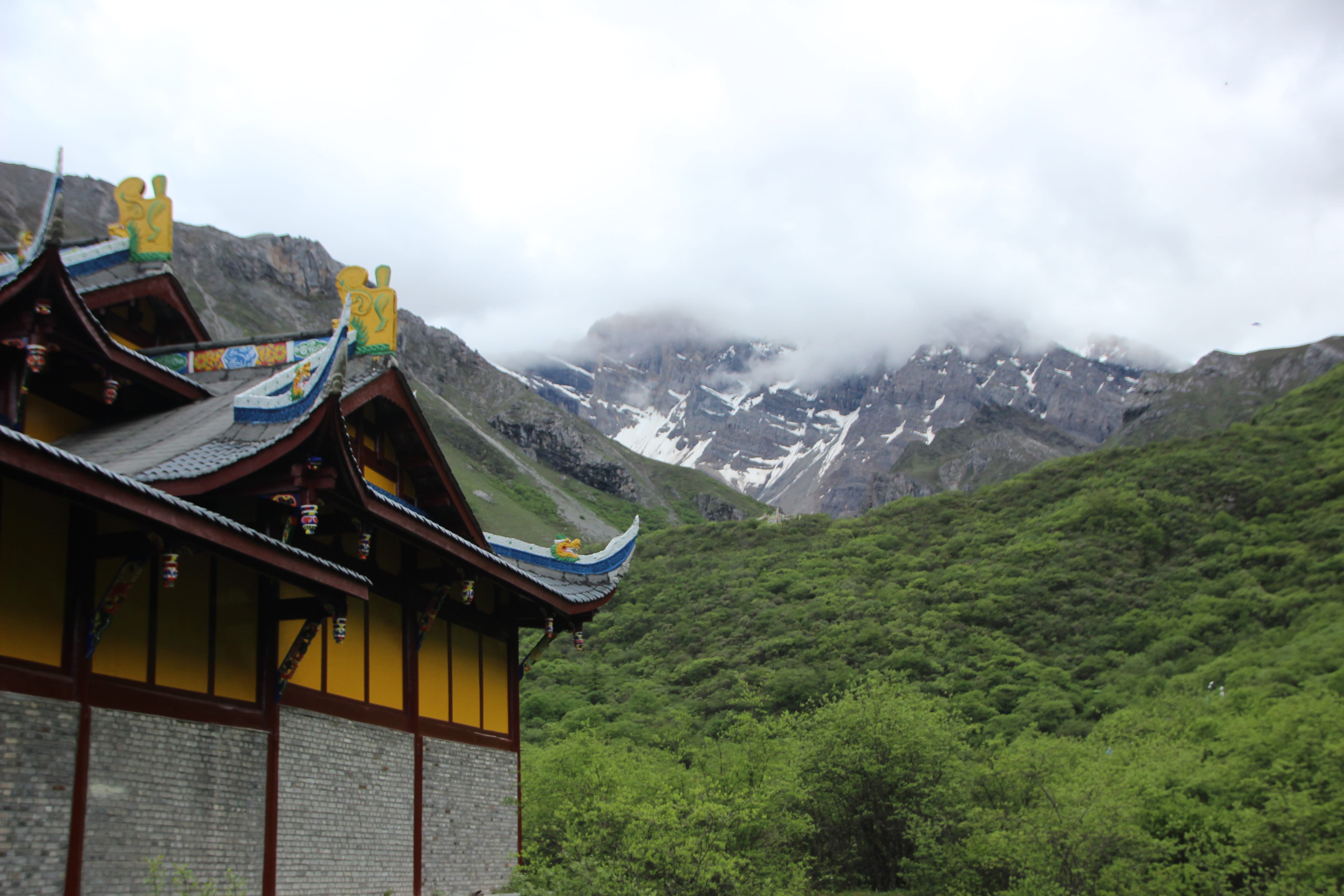
Ask ten people where authentic Ayurveda comes from and most will say Kerala.
Fewer know that Nepal sits at the actual geographic and cultural crossroads where much of Ayurveda’s foundational knowledge took shape.
Authentic Ayurveda Nepal offers isn’t a marketing angle borrowed from India’s reputation.
It’s a distinct tradition shaped by proximity to the Himalayas, a living culture of Hindu and Buddhist healing practice, and a scale of tourism that hasn’t yet turned treatment into an assembly line.
Nepal’s Genuine Historical Connection to Ayurveda
Ayurveda’s classical texts describe the Himalayas as a primary source of potent medicinal herbs, not a poetic flourish but a specific geographic claim.
Nepal sits inside that exact region, where herbs like Jatamansi and Kutki still grow wild at altitudes India’s plains simply can’t replicate.
UNESCO’s official listing for the Kathmandu Valley recognizes seven monument zones, including Pashupatinath, one of Hinduism’s most significant temples, and Swayambhunath, a major Buddhist site. It’s the living religious infrastructure Ayurveda developed alongside for centuries.
What “Authentic Ayurveda Nepal” Actually Means
Authenticity gets thrown around loosely in wellness marketing. In Nepal’s case, a few specific things back the claim up.
| Factor | What It Looks Like in Nepal |
| Herb sourcing | Wild-harvested Himalayan herbs, not imported extracts |
| Practitioner training | Doctors trained in classical diagnosis, not weekend certification |
| Cultural context | Treatment embedded in living Hindu-Buddhist practice, not staged for tourists |
| Commercialization level | Smaller, personally run centres instead of large hospital chains |
| Traditional herb markets | Working shops in old Kathmandu quarters like Naradevi and Kilagal |
None of this makes Nepal automatically superior to every Ayurveda destination. It does mean the word “authentic” carries real weight here instead of functioning as a marketing adjective.
Global Recognition Nepal’s Tradition Fits Into
Ayurveda isn’t a fringe practice seeking legitimacy. The World Health Organization’s traditional medicine program actively develops practice benchmarks for Ayurveda and Panchakarma specifically, treating both as systems worth standardizing globally, not dismissing.
Nepal’s practitioners work within this same classical framework WHO references, using diagnosis methods, herb selection, and treatment sequencing that predate any modern wellness trend by centuries.
Why Scale Matters More Than People Realize
Larger Ayurveda destinations have built genuine infrastructure, and that’s a real advantage in its own right. It also means treatment sometimes gets compressed to fit hospital throughput instead of individual need.
Nepal’s smaller centres tend to run differently:
- Personal consultation time isn’t rationed the way high-volume clinics sometimes ration it
- Doctors often stay involved throughout a guest’s entire stay, not just at intake
- Herb sourcing stays local and traceable instead of being routed through large supply chains
- Treatment plans adjust in real time based on how a guest actually responds
This isn’t true everywhere in Nepal, and it isn’t universally false elsewhere either. It’s a pattern worth naming honestly instead of ignoring it.
The Himalayan Herb Advantage
Top 10 Ayurvedic herbs found in the Himalayas covers this in more depth, but the short version matters here too. Herbs like Shilajit, Jatamansi, and Kutki grow specifically at altitude, in conditions found in very few other Ayurveda practicing regions.
This isn’t a minor detail. Ayurveda considers herb potency directly tied to growing conditions, and few places offer the specific altitude range Nepal does within a single accessible country.
Nepal Versus Kerala: A Fair Comparison, Not a Contest
Kerala earned its reputation honestly, through decades of building the world’s most recognized Ayurvedic hospital infrastructure. That history is real and worth respecting.
Nepal offers a genuinely different set of strengths instead of competing on Kerala’s exact terms.
- Higher-altitude herb sourcing unavailable at Kerala’s coastal elevation
- Smaller guest-to-practitioner ratios at most independent centres
- A combined Hindu-Buddhist spiritual context distinct from South India’s Ayurvedic tradition
- Lower overall tourism volume, meaning less competition for practitioner attention during peak season
Neither destination invalidates the other. Someone choosing between them is really choosing between two different, both legitimate, expressions of the same underlying system.
A Living Tradition, Not a Museum Piece
Naradevi and Kilagal, old quarters near central Kathmandu, still host practicing traditional healers and working herb shops. These aren’t preserved for tourists. Local residents actually use them.
This matters for anyone comparing “authentic Ayurveda Nepal” against destinations where tradition gets performed for visitors instead of genuinely practiced day to day.
What Guests Actually Notice, Day to Day
Guides and marketing copy describe authenticity in abstract terms. Guests tend to notice something more concrete once they’ve actually stayed at a smaller Nepal-based centre.
Meals get cooked to order based on dosha instead of served from a set buffet menu. Doctors remember details from a consultation three days earlier without checking notes first. Herb sourcing trips to a local shop happen as part of the stay itself, not as a separate paid excursion.
None of these details show up on a comparison chart easily. They’re the actual texture of what “authentic” means once someone experiences it instead of just reading about it.
Government and Policy Context Worth Knowing
Nepal doesn’t yet have the same scale of formal Ayurvedic regulatory infrastructure India has built through its AYUSH ministry. This is worth stating plainly instead of glossing over it.
What Nepal does have is a growing wellness tourism sector building around its existing cultural and herbal advantages, with individual centres setting their own standards for practitioner training and herb sourcing. Doing basic research on a specific centre’s credentials before booking matters here precisely because a single national regulatory body hasn’t standardized this the way some other countries have.
How Nepal Ayurveda Home Fits Into This Tradition
Ayurveda Home Nepal covers the specific approach the retreat takes, built around this same living tradition instead of an imported wellness template. Panchakarma in Nepal and the site’s dosha test guide both explain how treatment actually gets personalized here.
Tridosha body types is worth reading first for anyone new to the underlying theory. Ayurvedic diet to balance your doshas and Ayurvedic herbs for disease management both go deeper into specific treatment components once the basics are clear.
Choosing an Authentic Experience for Yourself
A shorter stay, like the one week Ayurveda retreat, gives a genuine introduction without requiring a major time commitment. Longer options, including the two week retreat and full Panchakarma programs, suit anyone wanting deeper, more comprehensive treatment.
Current dates and consultation details are on the booking page.
Frequently Asked Questions
Is Nepal Actually More Authentic Than Kerala for Ayurveda?
Both offer genuine Ayurvedic tradition, though through different strengths. Kerala has decades of hospital infrastructure, while Nepal offers wild-harvested Himalayan herbs, smaller personally run centres, and a living Hindu-Buddhist cultural context alongside treatment.
Do Nepal’s Ayurvedic Doctors Have Formal Training?
Yes, reputable centres employ doctors trained in classical Ayurvedic diagnosis and treatment, not brief certification programs. Checking a specific centre’s practitioner credentials before booking is always worth doing regardless of destination.
What Makes Himalayan Herbs Different From Herbs Grown Elsewhere?
Altitude, cold temperatures, and intense UV exposure trigger specific protective compounds in plants that don’t develop the same way at lower elevations, which is part of why Ayurveda has historically valued Himalayan sourced herbs specifically.
Is Ayurveda in Nepal Recognized by International Health Organizations?
The World Health Organization actively develops practice benchmarks for Ayurveda and Panchakarma as part of its broader traditional medicine strategy, treating the system as a legitimate global health practice instead of an alternative curiosity.
Does Nepal’s Smaller Scale Mean Lower Quality Treatment?
Not necessarily. Smaller centres often provide more individualized attention precisely because they aren’t managing the volume larger hospital-style operations handle, though quality still varies by specific provider regardless of scale.
Should I Research a Specific Centre Before Booking in Nepal?
Yes, this matters more in Nepal than in countries with centralized Ayurvedic regulation. Checking practitioner credentials, herb sourcing practices, and guest reviews directly is worth the time regardless of which centre looks appealing at first glance.
Is Nepal Ayurveda More Affordable Than Other Destinations?
Generally, yes, largely due to lower overall tourism infrastructure costs compared to more established destinations. This shouldn’t be mistaken for lower quality, since smaller centres often provide more personalized attention at a comparable or better price point.