
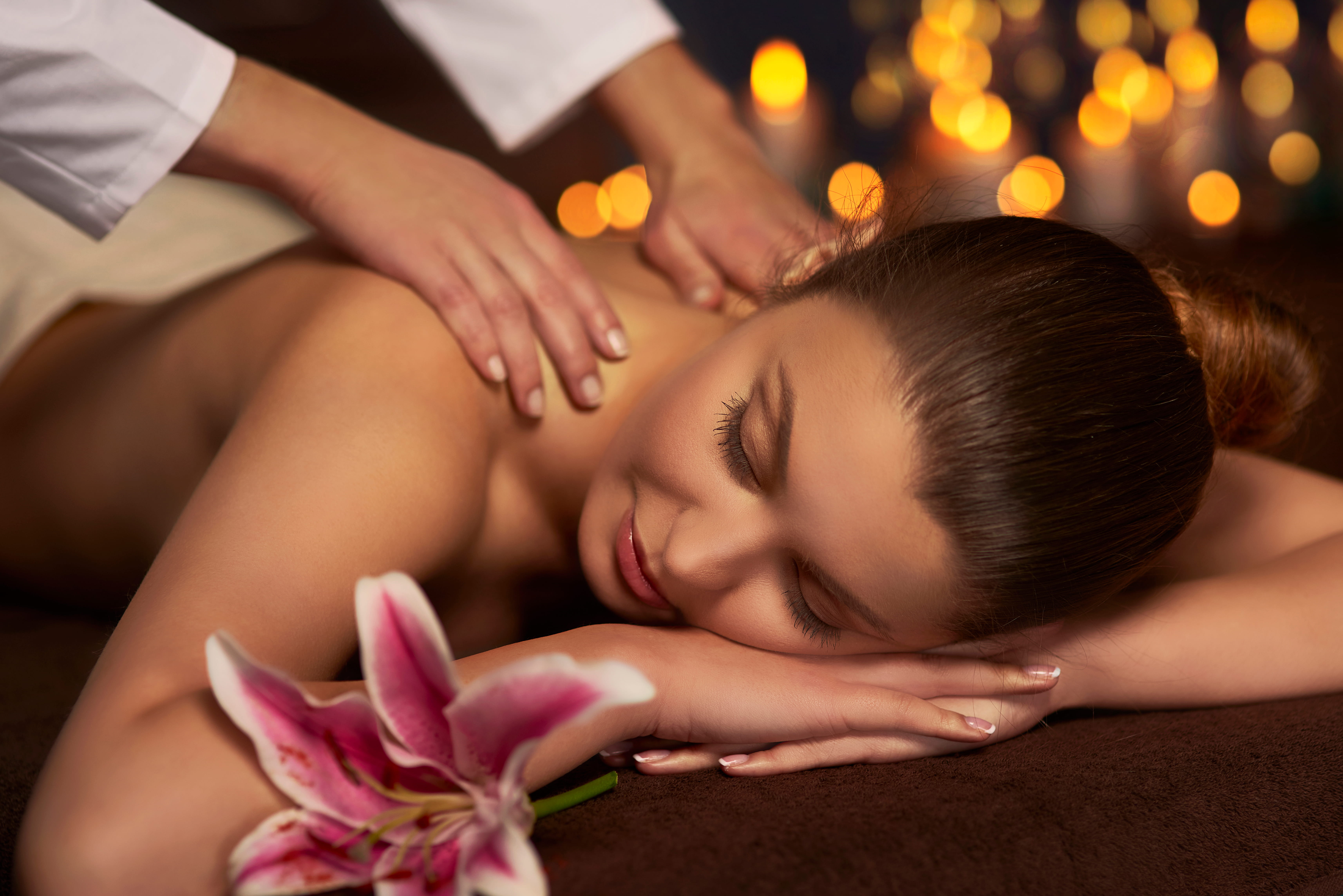
You book a “massage” and get one of two completely different experiences, depending on whether you walked into a hotel spa or an Ayurvedic clinic. Both involve oil, both involve hands, and both leave you relaxed. That’s roughly where the similarity ends.
Ayurveda massage vs spa massage isn’t really a question of which one feels nicer. It’s a question of what each one is actually built to do, and those goals turn out to be genuinely different once you look past the massage table itself.
What Spa Massage Is Actually Built For
Most spa massage in the US falls under general massage therapy licensing, which the American Massage Therapy Association notes requires 500 to 1,000 hours of training depending on the state, covering anatomy, physiology, and massage technique broadly.
The goal is relaxation and general muscle relief, applied more or less the same way to every client. Oil choice, if oil is used at all, is usually generic and unscented, not selected for anything specific to the person on the table.
What Ayurvedic Massage Is Actually Built For
Ayurvedic massage, most commonly Abhyanga, works from an entirely different premise. Oil selection depends on dosha, the individual constitutional type Ayurveda identifies through consultation, and warming or cooling oils get chosen specifically to correct an imbalance rather than just feel pleasant.
The National Ayurvedic Medical Association represents practitioners trained specifically in Ayurvedic medicine, often alongside broader study of diagnosis, herbs, and treatment sequencing, not massage technique in isolation. Ayurvedic massage covers the specific therapies offered under this approach.
Ayurveda Massage vs Spa Massage: Side by Side
| Factor | Spa Massage | Ayurvedic Massage |
| Oil | Generic, unscented, or fragrance-based | Herb-infused, chosen by dosha |
| Technique | Varies by therapist and modality | Fixed traditional sequence |
| Goal | Relaxation, muscle relief | Circulation, detox, constitutional balance |
| Personalization | Minimal, same approach for most clients | Built around individual assessment |
| Training background | General massage therapy licensing | Ayurvedic medical training, often years long |
Neither approach is objectively superior. They’re built to solve different problems, which is really the honest answer buried under the “which is better” framing most comparison articles lean on.
Where Spa Massage Genuinely Wins
Spa massage offers a few real advantages worth naming honestly:
- Wider availability almost anywhere in the world
- Shorter, standardized sessions that fit easily into a busy schedule
- Well-regulated licensing standards in most US states and many other countries
- A good option when the goal is simply muscle relief after a workout or a long flight
If the need is straightforward tension relief with no deeper health goal, a standard spa massage does the job efficiently.
Where Ayurvedic Massage Genuinely Wins
Ayurvedic massage tends to matter more when something specific is actually being addressed:
- Chronic conditions tied to dosha imbalance, like Ayurveda for eczema or persistent joint stiffness
- Recovery needs that go beyond muscle soreness, covered in Abhyanga massage for travelers specifically
- Situations where massage is one part of a broader treatment plan rather than a standalone service
Panchakarma’s therapeutic approach to disease explains how Ayurvedic massage typically fits into a larger sequence, something a spa treatment was never designed to do.
Why the Oil Actually Matters
This is the detail most people skip past entirely. Spa oils exist mainly to reduce friction during the massage. Ayurvedic oils are chosen as active treatment, infused with herbs matched to a specific dosha imbalance identified during consultation.
Tridosha body types and the site’s dosha test guide both go deeper into how this personalization actually works, since the oil selection genuinely changes depending on whether Vata, Pitta, or Kapha needs addressing.
Can You Get Both in the Same Visit?
Some guests want relaxation and constitutional treatment together, and that’s a reasonable thing to ask for. Panchakarma in Nepal programs typically include Ayurvedic massage as part of a broader stay, rather than offering it as an isolated spa-style add-on.
Current dates and consultation details are on the booking page.
Frequently Asked Questions
Is Ayurvedic Massage Better Than Spa Massage?
Neither is objectively better, since they solve different problems. Spa massage suits general relaxation and muscle relief, while Ayurvedic massage suits chronic conditions or treatment tied to a specific dosha imbalance.
Does Ayurvedic Massage Use Different Oils Than a Regular Massage?
Yes. Ayurvedic massage uses herb-infused oils chosen based on your dosha, while spa massage typically uses generic or fragrance-based oil selected for texture rather than treatment purpose.
Can I Get Ayurvedic Massage Without a Full Consultation?
A proper Ayurvedic massage benefits from a dosha assessment first, since oil and technique selection depend on it. Skipping this step turns the treatment into something closer to a generic spa massage using traditional technique.
Is Ayurvedic Massage Training Different From Regular Massage Therapy Training?
Yes, generally. Ayurvedic massage training is usually part of broader Ayurvedic medical education, often spanning years, while standard massage therapy licensing in the US typically requires 500 to 1,000 hours focused specifically on massage technique.
Which Type of Massage Is Better for Chronic Pain or Health Conditions?
Ayurvedic massage tends to suit chronic, constitution-linked conditions better, since it’s built around addressing root imbalance rather than surface tension. Acute muscle soreness from exercise or travel often responds well to either approach.