
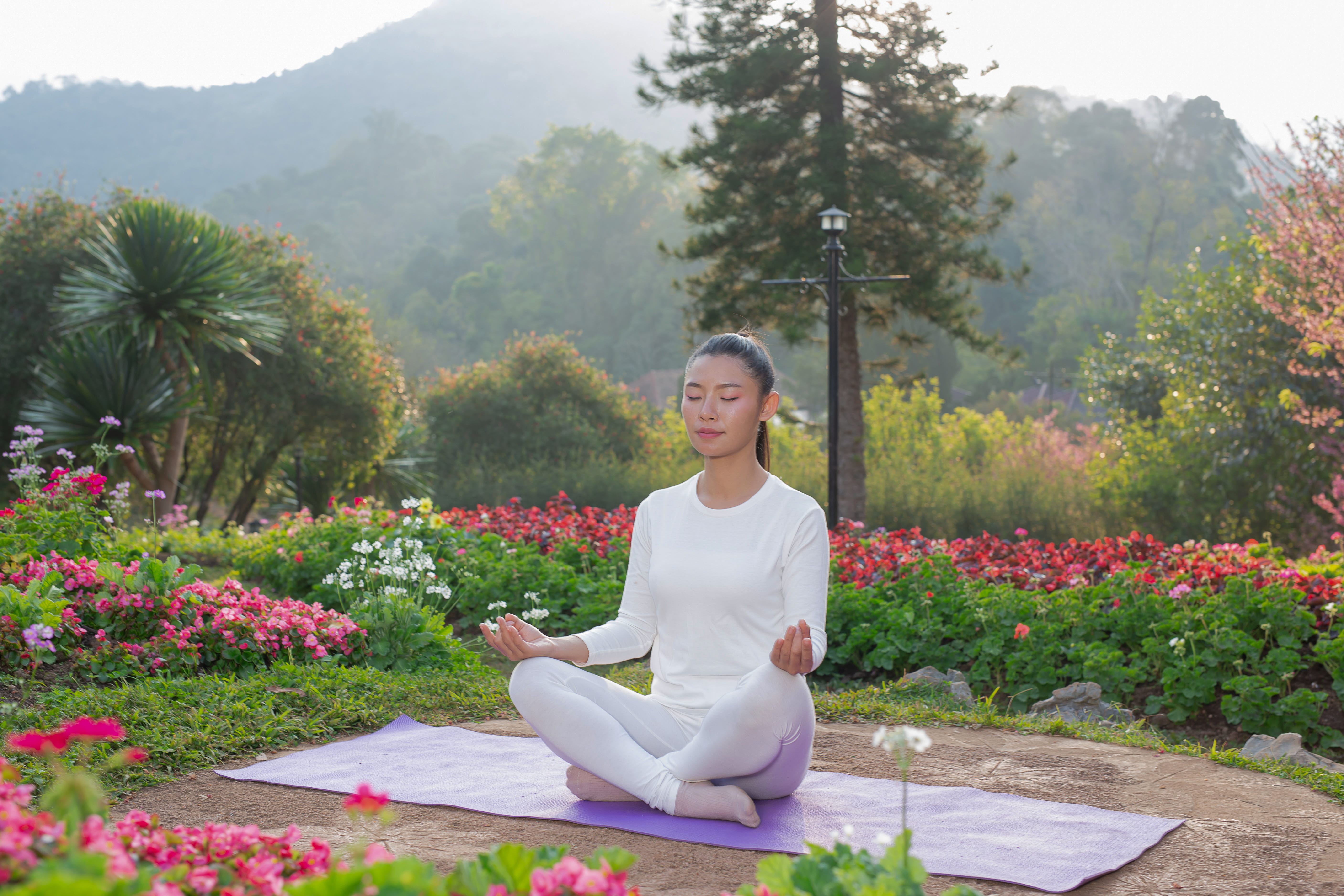
Most people treat yoga and Ayurveda as two separate wellness trends. They actually came from the same source and were designed to work as one system. That shared origin is why a yoga and Ayurveda retreat looks so different from a standard yoga class with a herbal tea bar attached.
In 2022, 15.8 percent of US adults practiced yoga, up from 5 percent two decades earlier, according to NIH survey data published in JAMA. Far fewer people know that Ayurveda, the system yoga grew out of, was built to support it directly, shaping the diet, herbs, and daily habits around whatever the physical practice is doing to the body.
Short answer: Yoga and Ayurveda and yoga healing share the same Vedic roots, with yoga shaping the body and breath while Ayurveda shapes diet, herbs, and daily rhythm around the same goal. Research on combining yoga and Ayurveda shows real advantages over either alone, especially for chronic pain, stress, and cognitive health.
Why Yoga and Ayurveda Grew Up Together
Both systems trace back to the same body of Vedic knowledge. Ayurveda formally classifies yoga as one of its Upavedas, or supporting sciences.
The two divide the same job between them:
| System | What It Handles |
| Yoga | Asana, breathwork, meditation, direct nervous system training |
| Ayurveda | Diet, herbs, daily rhythm, dosha-based diagnosis, therapies like Panchakarma |
An experienced Ayurvedic doctor rarely hands out yoga as generic exercise. A Vata-dominant person prone to anxiety needs slow, grounding sequences. A Kapha-dominant person needs a faster, more energizing practice.
What the Research Actually Shows
Controlled research on combining yoga and Ayurveda specifically is limited. What exists is worth paying attention to.
| Study | Population | Key Finding |
| 2024 RCT, Journal of Ayurveda and Integrative Medicine | Adults with chronic low back pain | Yoga-plus-Ayurveda group improved pain and disability similarly to yoga-only, but was the only group to show gains in physical health quality of life |
| 2022 trial, same journal | Elderly adults with mild cognitive impairment | Combined Yoga and Ayurveda Rasayana outperformed either intervention alone on learning, attention, and processing speed |
Ayurveda’s approach to chronic stress and burnout follows the same pattern these trials point to. Addressing the nervous system through more than one channel tends to outperform a single-channel approach.
Does Combining Yoga and Ayurveda Work Better Than Either Alone?
This question deserves a direct answer, since wellness marketing tends to oversimplify it.
For cognitive health, the evidence is fairly clear. The combined group outperformed both single-intervention groups by a meaningful margin.
For chronic pain, the picture is different. Pain relief was comparable between yoga-only and combined groups. Physical health gains beyond pain showed up only in the combined group.
The practical takeaway: combining yoga and Ayurveda tends to widen the range of benefits it produces, rather than simply making one outcome stronger.
How the Two Systems Divide Treatment by Dosha
Ayurveda and yoga healing gets personalized through the dosha framework:
- Vata imbalance: slow, grounding yoga, warm oils, calming herbs, consistent daily rhythm
- Pitta imbalance: cooling practices, moderate intensity, less heat-building yoga styles, cooling foods
- Kapha imbalance: faster, more energizing yoga, lighter diet, stimulating herbs and therapies
The three doshas are the framework that ties the yoga style, diet, and herbs together into one coherent plan.
What a Yoga and Ayurveda Retreat Looks Like Day to Day
| Time of Day | Focus |
| Morning | Asana and pranayama matched to your dominant dosha |
| Midday | Consultations, Ayurvedic treatments, Panchakarma’s therapeutic approach |
| Meals | Timed and composed around your constitution |
| Evening | Gentler practice to protect the nervous system reset |
Program length changes what’s realistic. A short program resets sleep and stress. A longer one gives chronic issues, digestion, joint pain, long-standing fatigue, enough time to shift.
Choosing the Right Yoga Ayurveda Retreat in Nepal
Nepal sits at the source of the Himalayan herb trade that much of classical Ayurvedic medicine draws on. Its yoga tradition grew up alongside Ayurveda, so the pairing here reflects centuries of practice more than a recent tourism trend.
| Goal | Best Fit |
| Everyday stress, poor sleep | Five-night yoga and Ayurveda retreat |
| Chronic pain, digestion, burnout | Two-week yoga and Ayurveda detox |
| Deep, lasting reset | Full month-long Ayurveda and yoga retreat |
| Learning to teach | 200-hour yoga teacher training |
| Working with others therapeutically | Therapeutic yoga training |
| Stress specifically, shorter format | Dedicated stress management program |
Anyone who wants bodywork alongside the retreat can add Ayurvedic massage therapy to the schedule, which pairs well with the Panchakarma side of the program. Current dates and availability are on the booking page.
The Verdict
Yoga and Ayurveda grew up as one system split into two working parts. The research is still thinner than either practice studied on its own, but where it exists, it points the same direction: real, measurable gains from running both together.
Holistic healing, in the literal sense, was the goal from the start. Treating yoga as exercise or Ayurveda as a supplement cabinet leaves most of that goal on the table.
Frequently Asked Questions
Does combining yoga and Ayurveda work better than doing yoga alone?
For some outcomes, yes. A 2022 trial found combined Yoga and Ayurveda Rasayana therapy improved cognitive function more than either alone. A 2024 pain trial found similar pain relief but broader physical health gains only in the combined group.
What’s the difference between a yoga retreat and a yoga and Ayurveda retreat
A standard yoga retreat focuses on asana, breathwork, and meditation. A yoga and Ayurveda retreat adds a dosha-based diet, herbs, and therapies like Panchakarma to the same yoga practice.
How long should a yoga Ayurveda retreat Nepal program be for real results?
Five to six nights resets sleep and stress. Chronic issues generally need two weeks to a month for the Ayurvedic side to produce a lasting change.
Can beginners join with no prior yoga experience?
Yes. Programs are built around your dosha and fitness level, and the yoga component is adjusted in intensity to match your Ayurvedic consultation.
Is there real evidence Ayurveda and yoga healing works, or is it just tradition?
Both. Randomized controlled trials in the Journal of Ayurveda and Integrative Medicine show measurable gains in pain, disability, and cognitive function from combined programs, though the evidence base remains smaller than for either practice studied separately.