
Ayurveda for acne reads a breakout as a message from the body: which dosha is high, how well you digest, and what your routine feeds. Instead of aiming only at the pimple, it looks at diet, digestion, stress, and skin type together.
This guide explains the classical view, a dosha table, foods to watch, a gentle routine, a home face pack, and the point where you need a dermatologist.
What Is Acne and Why Does It Happen?
Acne is the most common skin condition in the United States, and the American Academy of Dermatology (AAD) puts it at up to 50 million people each year. Pores clog with oil and dead skin, bacteria grow, and the skin turns inflamed.
Common triggers include:
- Hormone shifts in puberty, periods, pregnancy, or PCOS
- Stress and poor sleep
- Some foods, covered below
- Heavy makeup or skin products
- Family history
Ayurveda for Acne Starts With Yauvana Pidika
Ayurveda calls acne Yauvana Pidika or Mukhadushika, meaning eruptions of youth on the face. Sushruta describes them as firm, painful, and like the thorns of the Shalmali tree. He links them to Kapha, Vata, and Rakta (blood), with oily tissue involved.
Texts blame these habits:
- Heavy, oily, sweet, and dairy-rich food that raises Kapha
- Spicy, sour, and fermented food that raises Pitta
- Irregular meals, daytime sleep, and constipation
- Anger, worry, and suppressed natural urges
Ayurveda therapy for clear skin covers the wider approach to skin health.
Which Dosha Is Behind Your Pimples on Face?
Your type of breakout hints at the dosha. Most people show a mix.
| Dosha | What Pimples on Face Look Like | Skin Feel | Main Focus |
| Kapha | Whiteheads, blackheads, deep cysts | Oily, thick, cool | Lighter food, less dairy and sugar, regular movement |
| Pitta | Red, hot, inflamed pustules | Warm, sensitive, flushed | Cooling food, less spice and sour, stress care |
| Vata | Small dry bumps that flare with stress | Dry, rough, uneven | Warm cooked meals, steady routine, sleep |
Ayurveda for hormonal imbalance in women explains breakouts that follow your cycle.
Foods That Cause Acne in Ayurveda and What Research Says
Classical texts name heavy, oily, sour, salty, fermented, and very sweet foods. Modern research points in a similar direction, but it is not conclusive. The AAD says small studies suggest a low-glycemic diet may reduce acne:
- In Australia, 43 males with acne followed a low-glycemic diet for 12 weeks and had significantly less acne than those on their usual diet.
- In Korea, 32 patients followed one for 10 weeks and had significantly less acne.
- Some studies link cow's milk, including skim, to more breakouts. The AAD found no evidence that yogurt or cheese do the same.
- Other studies found no link, and the AAD says more research is needed. Diet alone rarely clears acne, and skin care and medicine still matter.
The AAD's page on diet and acne explains the evidence.
For a practical list, limit these for a few weeks and watch your skin:
- Sugary drinks, sweets, white bread, and fried food
- Excess milk and heavy desserts
- Very spicy, sour, and fermented food
- Late, heavy dinners
Favor fresh vegetables, beans, whole grains, and bitter greens. Ayurvedic diet to balance your doshas matches food to your type.
Ayurvedic Skin Care for Acne-Prone Skin
Ayurvedic skin care for acne-prone skin stays gentle. Harsh scrubbing, picking, and stripping the skin all backfire.
- Wash your face twice a day with lukewarm water and a mild cleanser.
- Pat dry with a clean towel. Do not rub.
- Use a light moisturizer or pure aloe vera gel, even on oily skin.
- Skip heavy oils on oily and Kapha skin.
- Apply a non-comedogenic sunscreen in the day.
- Wash pillowcases and towels weekly.
- Never squeeze pimples, since it spreads bacteria and leaves scars.
- Remove makeup before bed.
Mukha lepam, the Ayurvedic facial shows how herbal pastes go on the skin.
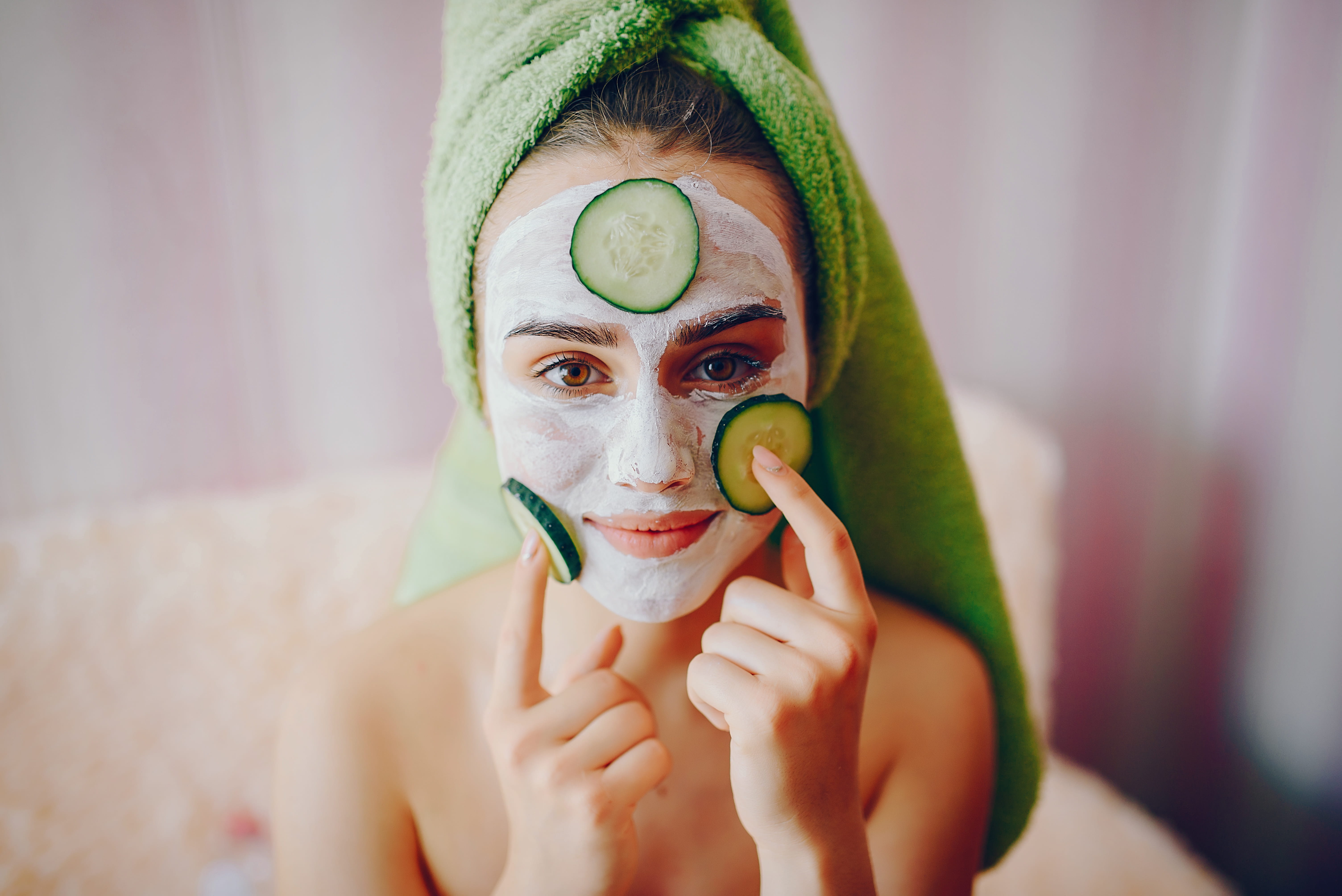
Ayurvedic Face Pack for Acne You Can Make at Home
This pack suits oily and Pitta skin. Skip it on broken or very inflamed skin.
- Mix 1 tablespoon of chickpea flour (besan) with a pinch of turmeric and, if you have it, 1 teaspoon of sandalwood powder.
- Add rosewater a few drops at a time until you get a smooth paste.
- Patch test on your inner forearm and wait 24 hours.
- Spread a thin layer on clean skin and leave it for 10 minutes. Rinse off while it is still slightly damp.
- Rinse with lukewarm water and pat dry.
- Use it up to twice a week. Stop if you feel burning or redness.
Turmeric can stain light skin, so use only a small pinch. Five Ayurvedic herbs in the kitchen explains turmeric and other spices.
Ayurvedic Treatment for Pimples Beyond the Kitchen
A physician matches treatment to your dosha and the type of acne.
Internal herbs:
- Neem, Manjishtha, Guduchi, and Haridra are classical blood-cleansing herbs.
- Triphala is often used when constipation sits behind the skin trouble.
- Evidence for these herbs in acne is limited. Do not swallow neem oil, which is toxic.
Gut care:
- Ayurveda links skin to digestion. Panchakarma for digestion covers gut-focused treatment.
Panchakarma options for stubborn cases:
- Virechana for Pitta-type acne
- Raktamokshana for deep, recurring blood-related breakouts
- Signs you need a Panchakarma detox explains when a program makes sense
These therapies need screening by a physician. Large trials on Ayurvedic treatment for acne are scarce.
When Acne Needs a Dermatologist
Do not rely on home care alone if you have:
- Painful, deep nodules or cysts
- Scarring or dark marks that last
- Adult acne that comes with irregular periods or extra facial hair, which can signal PCOS. Ayurveda for PCOS and PCOD covers that link.
- Breakouts after a new medicine
- No improvement after 6 to 8 weeks of steady care
- Low mood or shame linked to your skin
Tell your dermatologist about every herb and product you use. Pregnant women should ask a doctor before using any herb or acne medicine.
Plan Your Skin Care at the Ayurvedic Beauty Care Retreat in Nepal
A physician reads your skin type, digestion, and routine before choosing a plan, so the consultation comes first. Ask whether the Ayurvedic Beauty Care Retreat can fit a plan around your skin.
Bring these to your first visit:
- Photos of your skin over the past few months
- Your current skin products and any acne medicine
- A note on your periods, sleep, stress, and diet
Frequently Asked Questions
Can Ayurveda cure acne?
Ayurveda can help control mild to moderate acne through diet, skin care, and herbs, but it does not guarantee a cure. Severe, scarring, or hormone-linked acne also needs a dermatologist.
What is the Ayurvedic name for acne?
Ayurveda calls acne Yauvana Pidika or Mukhadushika. Texts link it to Kapha, Vata, and Rakta and describe it as eruptions on the face of young people.
Which foods cause acne in Ayurveda?
Heavy, oily, sweet, sour, salty, and fermented foods, along with excess dairy, are the classical triggers. The AAD says small studies link high-glycemic food and cow's milk to more acne, though results vary.
Is an Ayurvedic face pack safe for acne?
A simple chickpea flour pack with rosewater is safe for most people, but patch test first. Skip it on broken or inflamed skin, and stop if it burns.
How long does Ayurvedic treatment take to work on acne?
Plan on 6 to 8 weeks of steady diet, skin care, and routine changes before judging results. Dermatologists use a similar timeframe, and you should see one if there is no improvement.