
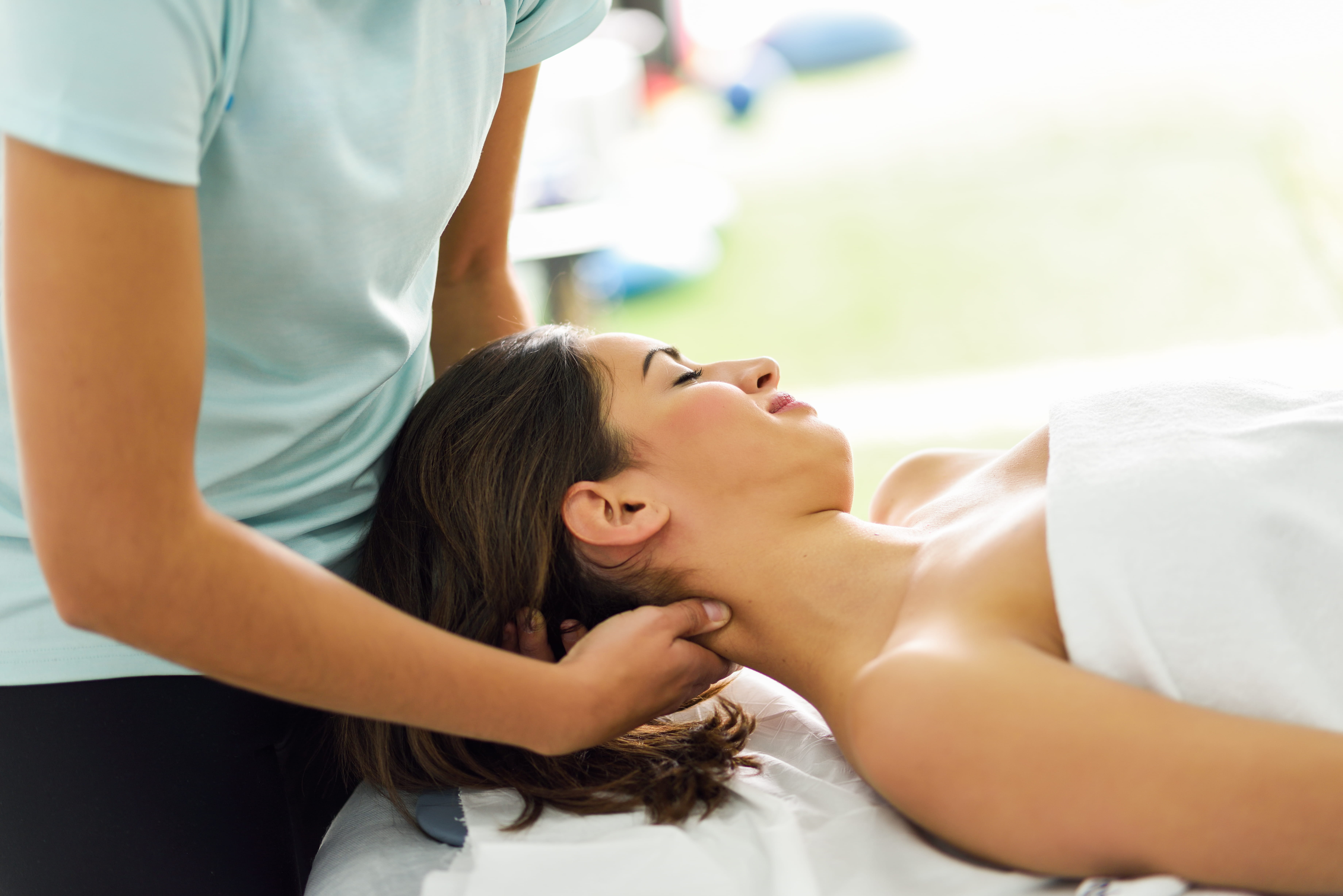
Ayurveda for neck pain starts with a classical name: Greeva Sandhigata Vata, meaning aggravated Vata in the joints of the neck.
Modern medicine calls the common age-related form cervical spondylosis. Both agree on the basics: gentle movement, strong neck muscles, and daily habits decide most of the outcome.
This guide covers causes, red flags, Ayurvedic therapies such as Greeva Basti, what small studies show, a home massage routine, yoga poses, and when to see a doctor.
What Causes Neck Pain and Cervical Spondylosis?
Cervical spondylosis is the wear and tear of the discs and joints in the neck. The American Academy of Orthopaedic Surgeons (AAOS) says it is extremely common: more than 85 percent of people over 60 have it, and many have no symptoms at all.
When symptoms appear, they usually mean pain and stiffness in the neck. Risk factors include:
- Age
- A previous neck injury
- A family history of neck pain
- Smoking
- Jobs with repetitive neck motion or overhead work
- Depression or anxiety
Ayurveda for Neck Pain Starts With Greeva Sandhigata Vata
Ayurveda describes neck pain under several names:
- Manyastambha or Greeva Graha: a stiff neck
- Greeva Sandhigata Vata: Vata in the neck joints, the closest match to cervical spondylosis
- Asthigata Vata: Vata deep in the bone
Classical texts say Vata rises through dry, cold, light food, cold wind, stress, and poor posture. Modern clinical papers add long hours at a computer or phone, looking up for long periods, and sleeping in a poor position. When Kapha or Ama joins Vata, the neck also feels heavy and stiff on waking.
Ayurveda for arthritis explains how Ayurveda reads joint wear in general.
Stiff Neck Symptoms and Red Flags You Should Never Ignore
A stiff neck from a bad pillow usually settles in days. Cervical spondylosis can bring:
- Neck pain that is worse with long periods of looking up or down, such as driving or reading
- Muscle spasms in the neck and shoulders
- A grinding or popping feeling with movement
- Pain, numbness, or weakness spreading into the arms or hands
See a doctor quickly for any of these:
- Trouble walking, loss of balance, or weakness in the hands or legs
- Clumsy hands, such as trouble with buttons or handwriting
- Loss of bladder or bowel control, which needs emergency care
- Neck pain after an accident or injury
- Neck pain with fever, severe headache, or unexplained weight loss
These signs can mean pressure on the spinal cord or nerves. Do not treat them with massage or oil.
Ayurvedic Treatment for Cervical Spondylosis Step by Step
Classical care for Greeva Sandhigata Vata follows a fixed order, and a physician adjusts each step to you.
Step 1: Snehana and Swedana (Oiling and Heat)
Warm oil massage and gentle sweating soften stiff tissue first. A study design from an Ayurvedic college used a 30-minute full-body Abhyanga and a 15-minute Patra Pinda Sweda (a hot herbal poultice) before the main therapy. Snehana in Ayurveda therapy and Swedana in Ayurveda explain each step.
Step 2: Greeva Basti
Greeva Basti is a pool of warm medicated oil held on the neck. It is not an enema, despite the shared word Basti. Typical steps:
- The patient uses the toilet and sits comfortably with the neck bare.
- A therapist builds a ring of black gram (masha) flour dough around the base of the neck and seals it against the skin.
- Warm medicated oil, such as Ksheerabala or Prasarini taila, goes into the ring.
- The therapist keeps the oil warm by replacing it as it cools, for about 30 minutes.
- The oil and dough are removed, and the neck gets a light massage.
Studies used 8 to 14 daily sessions. Skip Greeva Basti if you have fever, a skin infection or wound on the neck, or acute swelling and heat. A physician must examine you first.
Step 3: Nasya, Basti, and Herbs
Physicians also use:
- Nasya therapy, medicated oil in the nose, for complaints above the collarbone
- Matra Basti, a small oil enema, for deep Vata imbalance
- Herbs such as Rasna, Ashwagandha, Guggulu, and Nirgundi, taken as decoctions or tablets
What the Research Says About Ayurvedic Treatment for Neck Pain
The Ayurvedic evidence is small and early:
- A 47-patient randomized trial in the Journal of Ayurveda and Integrated Medical Sciences (2016) compared Pristha Basti, Nasya, and Rasnasaptak decoction with the decoction plus physiotherapy. It reported 79.98 percent relief in the first group and 66.75 percent in the second.
- A 10-patient comparison (5 per group) tested Greeva Basti against Nasya in Greeva Sandhigata Vata and reported improvement in joint pain and swelling.
- A 64-patient trial protocol from an Ayurvedic college in New Delhi will compare Greeva Basti with Matra Basti, measuring pain and the Neck Disability Index at day 30. Results are not published yet.
- Case reports describe relief after Valuka Swedana, Greeva Basti, and neck exercises.
Read these results with care. The trials are small, open-label, and short, and they rely on self-rated relief. No large trial compares Ayurvedic treatment with standard care.
The AAOS says physical therapy is usually the first treatment, with sessions 2 to 3 times a week for 6 to 8 weeks, and most cases respond to medicine and therapy. Treat Ayurveda as a partner to that care, not a replacement.
Ayurvedic Oil for Neck Pain and a Safe Home Massage
The usual Ayurvedic oil for neck pain is a warming Vata oil such as Mahanarayana, Ksheerabala, or Dhanwantaram taila. Plain warm sesame oil also works. Whole body massage with sesame oil explains the base oil.
Steps for a gentle home massage:
- Skip it if you have numbness, weakness, fever, or broken skin on the neck.
- Warm 1 tablespoon of oil by standing the bottle in hot water, and test a drop on your wrist.
- Sit in a warm, draft-free spot.
- Use your fingertips for slow, light strokes from the base of the skull to the shoulders. Never press hard on the spine or twist the neck.
- Spend 5 to 10 minutes, then rest for 10 minutes.
- Wipe off the excess oil and keep the neck warm.
A therapist-led 1 hr head and shoulder massage targets the neck and shoulders directly. Neck-related tension also drives some headaches, and that guide covers the link.
Yoga for Neck Pain and Stiffness
Gentle yoga for neck pain and stiffness builds the neck and shoulder muscles. Try this short routine once a day:
- Shoulder rolls: 10 slow rolls back and 10 forward.
- Neck tilts: tip your ear toward your shoulder, hold 5 breaths each side, and keep your shoulders low.
- Chin tuck: draw your chin straight back, hold 5 seconds, and repeat 8 times.
- Cat-cow: 8 slow rounds, moving the whole spine.
- Thread the needle: hold 5 breaths on each side to release the upper back.
- Finish with a few minutes of slow breathing. Ten yogic relaxation techniques lists calming options.
Avoid headstand, shoulder stand, and plow pose, which load the neck. Stop any pose that causes numbness, tingling, or sharp pain.
Daily Habits to Ease a Stiff Neck
- Raise your screen to eye level and take a break every 30 to 45 minutes.
- Sleep on your back or side with a pillow that keeps the neck in line.
- Use heat for stiffness and a cold pack after a sudden flare.
- Walk daily. Regular activity speeds recovery.
- Quit smoking, which is linked to more neck pain.
- Eat warm, cooked, moderately oily meals, and skip cold, dry, and raw food.
- Manage stress and protect your sleep. Ayurveda for better sleep explains Vata-calming routines.
How Long Does Ayurvedic Neck Treatment Take?
Studies ran 8 to 14 days of therapy, with follow-up at about 30 days. After the program, doctors usually continue herbs and neck exercises at home. How long should Panchakarma be? compares one-week, two-week, and one-month plans.
Plan Your Neck Care With a Two Weeks Panchakarma Program in Nepal
A physician examines your neck, checks for red flags, and chooses therapies for your dosha, so the consultation comes first. Ask which therapies, such as Abhyanga, steam, Greeva Basti, or Nasya, suit your neck at the Two Weeks Panchakarma in Nepal program.
Bring these to your first visit:
- Any X-ray or MRI reports
- A list of your medicines
- Notes on pain, stiffness, and any numbness or weakness
Frequently Asked Questions
Can Ayurveda cure cervical spondylosis?
No treatment reverses the age-related wear in the neck, but Ayurveda can help ease pain and stiffness. The evidence comes from small studies, and physical therapy remains the first-line treatment.
What is the Ayurvedic name for cervical spondylosis?
Ayurveda calls it Greeva Sandhigata Vata, and a stiff neck falls under Manyastambha or Greeva Graha. Texts link it to aggravated Vata in the neck joints.
What is Greeva Basti?
Greeva Basti is a therapy in which warm medicated oil is held in a dough ring around the neck for about 30 minutes. Studies used 8 to 14 daily sessions, and a physician must screen you first.
Which oil is best for neck pain in Ayurveda?
Warming oils such as Mahanarayana, Ksheerabala, and Dhanwantaram taila are the usual choices, and plain warm sesame oil also works. Patch test first, and skip oil if you have fever, broken skin, numbness, or weakness.
When should you see a doctor for neck pain?
See a doctor right away for weakness, numbness, trouble walking, balance loss, or loss of bladder or bowel control. Also go after an injury, or if neck pain comes with fever, severe headache, or unexplained weight loss.