
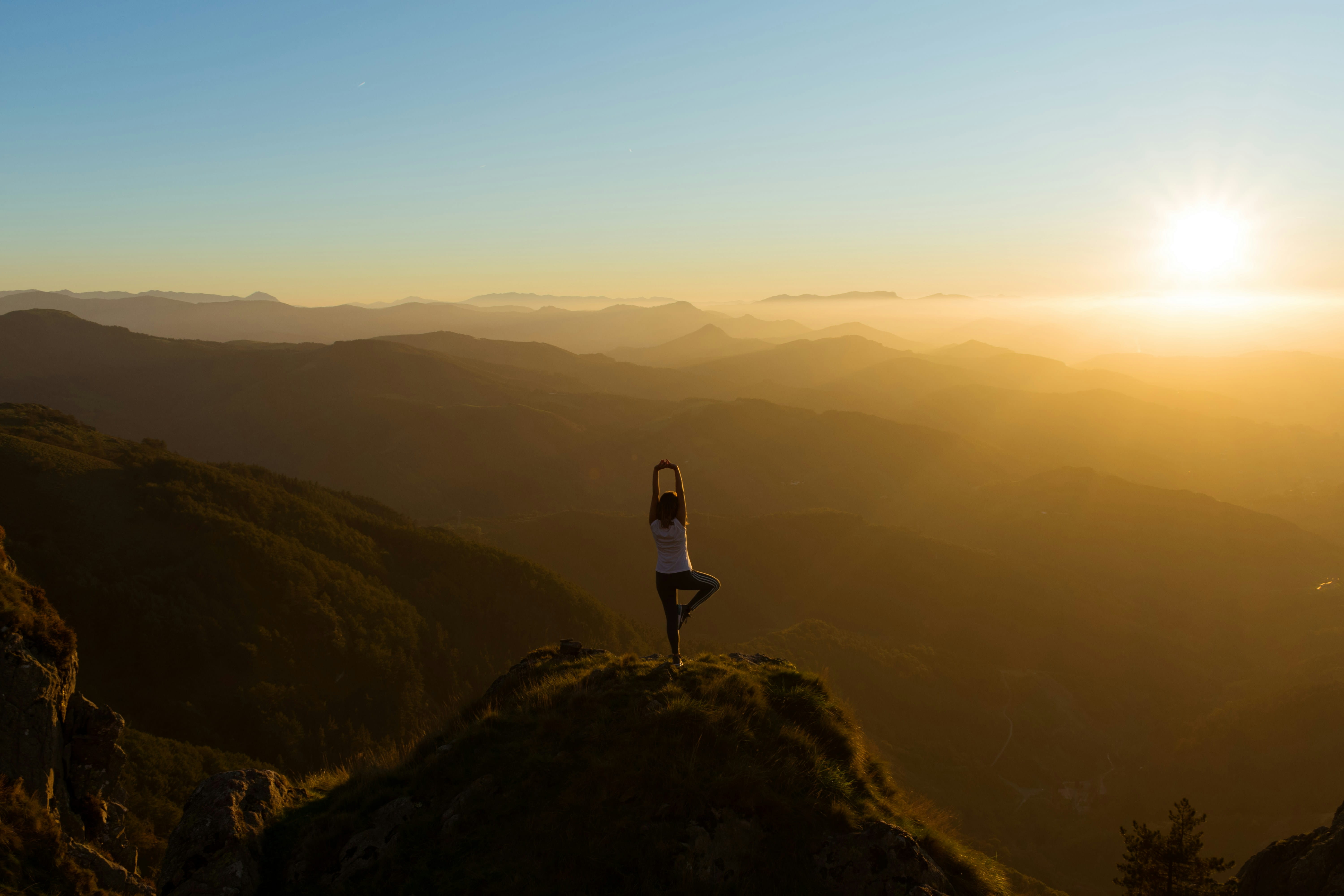
Yoga for high-altitude trekking will not stop altitude sickness.
The Wilderness Medical Society says the best prevention is a slow climb with a rising sleeping altitude, as American Family Physician's summary of its guidelines explains. What yoga can do is build strong legs, steady your breathing, and help you recover each night.
This guide gives you a pre-trek plan, a slow breathing routine, trail and rest-day sequences, and the limits you must respect. It suits routes such as the Everest Base Camp trek and the Annapurna circuit.
Does Yoga Help With Altitude? What the Research Shows
Yoga helps with fitness and breathing. It does not replace acclimatization.
Yoga can help you with:
- Leg, hip, and core strength for long climbs and descents
- Slow, steady breathing on steep sections
- A calmer mind and an easier bedtime
- Faster recovery after a hard day
Yoga cannot:
- Prevent acute mountain sickness (AMS)
- Replace slow ascent, rest days, or medicine
- Treat altitude illness
The best evidence is for slow breathing. A 2012 study in PLOS ONE had healthy lowlanders breathe slowly at 6 breaths a minute for 15 minutes. At 4,559 m (39 people), blood oxygen saturation rose from 80.2 to 89.5 percent. At 5,400 m (28 people), it rose from 81.0 to 88.6 percent. Blood pressure and pulmonary artery pressure also fell.
Earlier studies of yogic breathing in low-oxygen conditions reported better oxygenation and a calmer stress response. These studies measured short-term oxygen levels, not altitude sickness, so slow breathing is a helpful habit and not a prevention method.
How to Prevent Altitude Sickness While Trekking in Nepal
Altitude sickness depends on how fast you climb, and sleeping altitude matters most. These rules come from the Wilderness Medical Society:
- Unacclimatized people are at high risk above 2,500 m, and AMS can start as low as 2,000 m.
- Reach a sleeping altitude of 2,500 to 3,000 m over at least two days.
- Above that, sleep no more than 500 m higher than the night before.
- Take a rest day after every 1,000 m you gain in sleeping altitude.
- Drink enough water, but do not force extra fluid. Overhydration does not prevent altitude illness and can lower blood sodium, and dehydration can mimic AMS. How to stay hydrated covers daily needs.
- Ask your doctor about acetazolamide, which helps acclimatization. The usual adult preventive dose is 125 mg every 12 hours, starting the day before ascent.
- Skip herbal and over-the-counter shortcuts. The guidelines do not recommend ginkgo, antioxidants, or short-term oxygen canisters.
Yoga for High-Altitude Trekking Starts Four to Six Weeks Before You Fly
Build strength and breathing habits before you reach the trailhead. Three yoga sessions of 30 minutes a week, plus two walks with hills or stairs, is a solid plan.
These yoga poses for trekkers cover the muscles that hills use hardest:
| Pose | Why Trekkers Need It | Hold |
| Chair pose (Utkatasana) | Builds thigh strength for climbs and knee-bending descents | 5 breaths, 3 rounds |
| Warrior II (Virabhadrasana II) | Strengthens hips and legs | 5 breaths each side |
| Bridge pose (Setu Bandhasana) | Strengthens glutes and lower back for pack carrying | 8 breaths |
| Low lunge (Anjaneyasana) | Opens hip flexors tightened by uphill steps | 5 breaths each side |
| Tree pose (Vrikshasana) | Trains balance for rocky, uneven trails | 30 seconds each side |
| Downward dog (Adho Mukha Svanasana) | Stretches calves and hamstrings | 5 breaths |
| Cat-cow (Marjaryasana and Bitilasana) | Mobilizes the spine and shoulders under a daypack | 8 slow rounds |
Start each session with three slow rounds of Surya Namaskar to warm the whole body.
Breathing Exercises for High Altitude That Are Safe to Practice
Pranayama for altitude should stay slow and gentle. Here are the techniques worth using, and the ones to skip. Yoga and Ayurveda call breath Prana, and Pancha Prana and its relation with 7 chakras explains its five forms.
Slow Breathing at Six Breaths a Minute
This is the technique the study tested.
- Sit or stand comfortably with your back tall.
- Breathe in through your nose for 5 counts, filling your belly and then your ribs.
- Breathe out through your nose for 5 counts.
- Repeat for 10 to 15 minutes, before a climb or during a rest stop.
- Stop and breathe normally if you feel dizzy or tingly.
Alternate Nostril Breathing Without Holding
Ways of Nadi cleansing covers the full method. At altitude, use only the gentle version:
- Close your right nostril and breathe in through the left for 4 counts.
- Close the left nostril and breathe out through the right for 4 counts.
- Breathe in through the right for 4 counts, then out through the left.
- Repeat for 5 minutes, with no breath holding.
Humming Breath for Calm and Sleep
Breathe in through your nose, then hum quietly as you breathe out. Do 5 to 8 rounds before bed to quiet your mind.
Pursed-Lip Breathing on Steep Steps
Breathe in through your nose for 2 counts, and breathe out slowly through pursed lips for 4 counts. This slows your pace and steadies your breath on steep sections.
What to Skip at Altitude
Skip Kapalabhati and Bhastrika, the fast forced breathing drills, and long breath holds. No trial has tested them on the trail, fast breathing can cause dizziness, and holding your breath lowers oxygen further when levels are already low. Different breathing techniques in yoga lists the full set for use at sea level.
Daily Yoga Routine on the Trail
Keep it short. Tired trekkers keep up a 10-minute routine and drop a 45-minute one.
Morning (10 minutes, before breakfast):
- Roll your ankles, knees, hips, and shoulders for one minute each.
- Do 8 rounds of cat-cow.
- Hold low lunge for 5 breaths on each side.
- Hold downward dog for 5 breaths.
- Finish with 3 minutes of slow breathing at six breaths a minute.
Evening (15 minutes, after you arrive):
- Lie with your legs up a wall for 5 minutes.
- Hold a seated forward fold for 8 breaths.
- Do a reclined twist for 5 breaths on each side.
- Practice 5 rounds of humming breath.
- Finish with a Yoga Nidra session for sleep.
How to Use Acclimatization Days
Treat rest days as part of the plan. Do a gentle 30-minute yoga session, short walks, and slow breathing. Climb high during the day and sleep lower if the route allows. Skip hard yoga and anything that makes you breathless.
Ayurvedic Care for Cold, Dry Mountain Air
Ayurveda sees cold, dry, windy air as a Vata aggravator. These steps add comfort, but none of them prevents altitude illness:
- Eat warm, cooked meals with a little ghee, and sip ginger tea.
- Apply a few drops of warm oil inside the nostrils to ease dryness. Nasya therapy explains the practice, and a practitioner should guide any use beyond a drop or two.
- Dry cough is common at altitude. Ayurveda for cough home remedies lists gentle options.
Warning Signs That Mean Stop and Descend
Yoga is not a treatment for altitude illness. Descend if you notice:
- A headache with nausea, vomiting, or dizziness that gets worse
- Stumbling, a loss of balance, or confusion, which can signal brain swelling (HACE)
- Breathlessness at rest, falling exercise tolerance, or a cough with pink, frothy spit, which can signal lung fluid (HAPE)
The key treatment is descent. The guidelines advise going down 300 to 1,000 m until symptoms clear, with oxygen if available. Do not climb higher while symptoms last.
Recovery After the Trek
Your muscles, skin, and sleep need care when you return. Ayurveda After Trekking covers the recovery plan, and Abhyanga massage Nepal for travelers explains warm-oil massage for tired bodies. A trekkers massage after trekking targets legs and shoulders directly.
Prepare for Your Trek With a Yoga Hike in Nepal
A yoga hike combines daily yoga, breathing practice, and walking in Nepal's hills, so you can test your routine before a high trek. Ask the team how the schedule fits your plans, and remember that a yoga hike does not replace a proper acclimatization plan.
Explore the one week Yoga Hike in Nepal to see the program.
Frequently Asked Questions
Can yoga prevent altitude sickness?
No, yoga cannot prevent altitude sickness. The best prevention is a gradual climb with a slowly rising sleeping altitude and rest days, and yoga only supports your fitness, breathing, and recovery.
What is the best breathing exercise for high altitude?
Slow breathing at about six breaths a minute is the best-studied option. In one study, 15 minutes raised blood oxygen saturation from about 80 to 89 percent at 4,559 m, though it was measured during the session and not as altitude sickness prevention.
Should you do Kapalabhati or breath holds at altitude?
No, skip fast forced breathing and long breath holds at altitude. They can cause dizziness and lower oxygen further, and no trial has tested them on the trail.
How many weeks before a trek should you start yoga?
Start four to six weeks before you fly, with three sessions a week plus hill walking. Strong legs, steady breathing, and a daily routine take time to build.
What should you do if you get a headache at altitude?
Stop climbing, rest, and drink water, and descend if the headache comes with nausea, vomiting, or worsening symptoms. Ibuprofen or acetaminophen can ease the headache, and descent is the key treatment for altitude illness.